
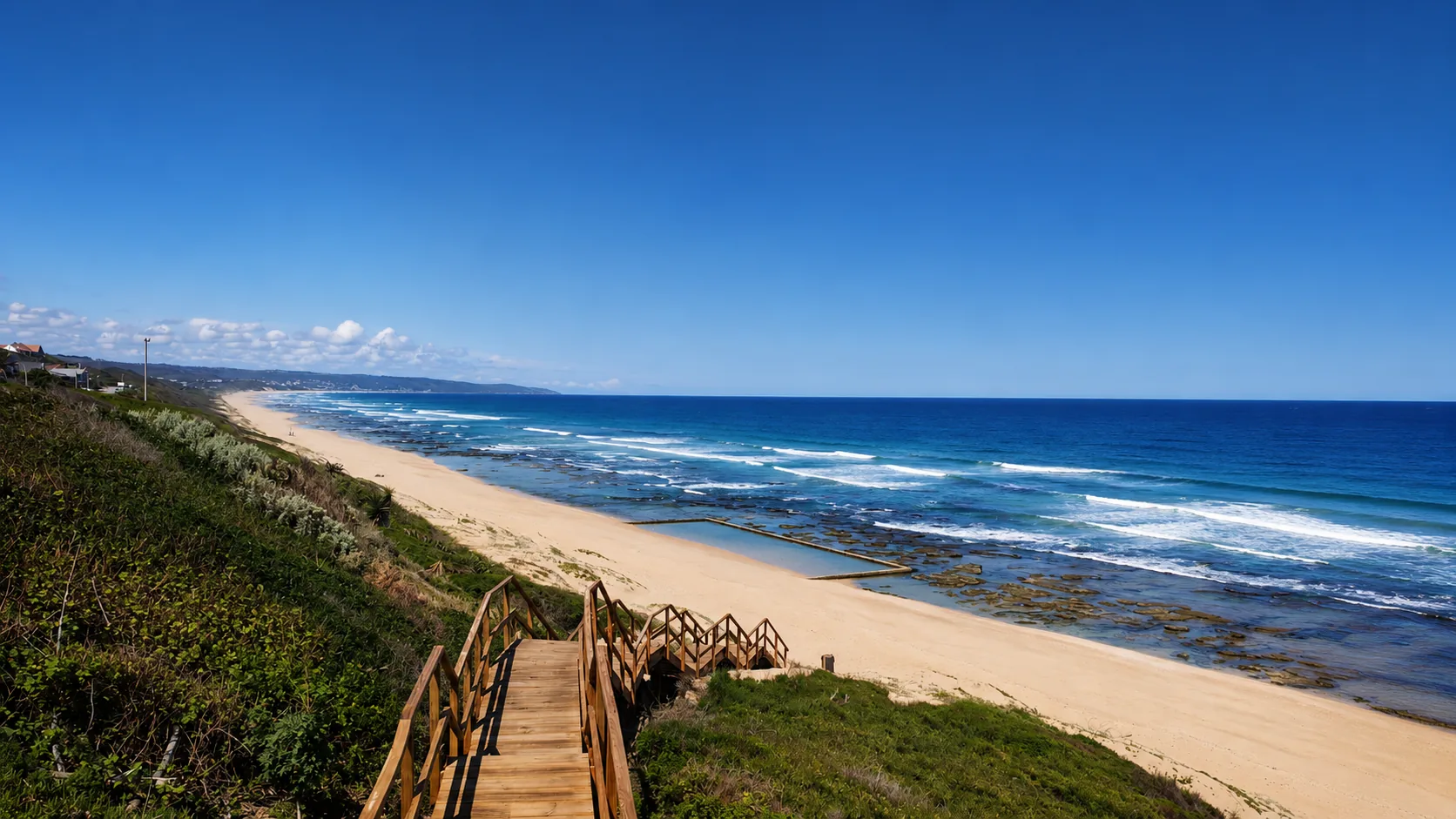
Buying property on the Garden Route is often a lifestyle decision as much as a financial one. The best property is not automatically the biggest house or the one with the widest sea view. It is the property that fits the way you plan to live, the amount of maintenance you want to manage and the total budget you are comfortable committing.
If you are comparing Reebok, Tergniet, Groot Brakrivier, Klein Brak River, Fraaiuitsig, Dwarswegstrand and Glentana, use a consistent checklist. It makes it much easier to compare properties that may look very different online.
1. Define your non-negotiables
Before viewing, write down the five features that matter most. Examples include a sea view from the living room, single-level living, a double garage, space for pets, a flatlet, low-maintenance finishes, beach access or a home office. Then separate these from “nice to have” features.
This step prevents a beautiful but unsuitable property from pulling the search away from your real needs.
2. Compare the area, not only the house
Drive the route you would use most often. Look at the roads, access to shops and services, the position of the property within the neighbourhood and the general feel at different times of day. On the coast, a few streets can make a noticeable difference to outlook, wind exposure and gradient.
3. Inspect for coastal maintenance
Coastal living is attractive, but exterior maintenance should be treated as a normal part of ownership. Check windows, doors, roof elements, balustrades, fasteners, exterior paint and waterproofing. If you are unsure about the condition, a professional inspection before the sale becomes unconditional can be valuable.
4. If buying vacant land, calculate beyond the land price
For a stand, consider slope, access, excavation, foundations, retaining work, services and the shape of the buildable area. Ask about zoning, servitudes, building lines and any estate or architectural rules that apply. A lower land price can be misleading if the site requires expensive preparation.
5. Check plans and improvements
Ask whether approved building plans are available and whether the existing structures correspond with them. If additions, decks, flatlets or other alterations were made, understand their status before proceeding. Your conveyancer and relevant professionals can guide you where further verification is needed.
6. Understand the total cost of buying
The purchase price is not the only cost. Depending on the transaction, buyers may need to budget for transfer-related costs, bond-related costs, inspections, moving, immediate maintenance and future improvements. Ask for an estimate based on your specific transaction rather than relying on an old rule of thumb.
7. Make the offer fit the property
A good offer is not only about price. The occupation date, finance conditions, sale-of-property conditions, included fixtures and other terms can all matter. Make sure the written offer reflects what you actually need and that you understand the conditions before signing.
Instead of scrolling through hundreds of listings, send me your budget, preferred areas and non-negotiables. I can help you identify the properties that deserve a closer look.
Send your requirementsUse local knowledge to shorten the search
Online listings are useful for discovery, but they do not always explain why one street, orientation or position may suit you better than another. A local property search should help you understand those differences before you spend time on viewings.
You can also send me your property requirements and read the Reebok, Tergniet, Groot Brakrivier and Glentana area guides.