
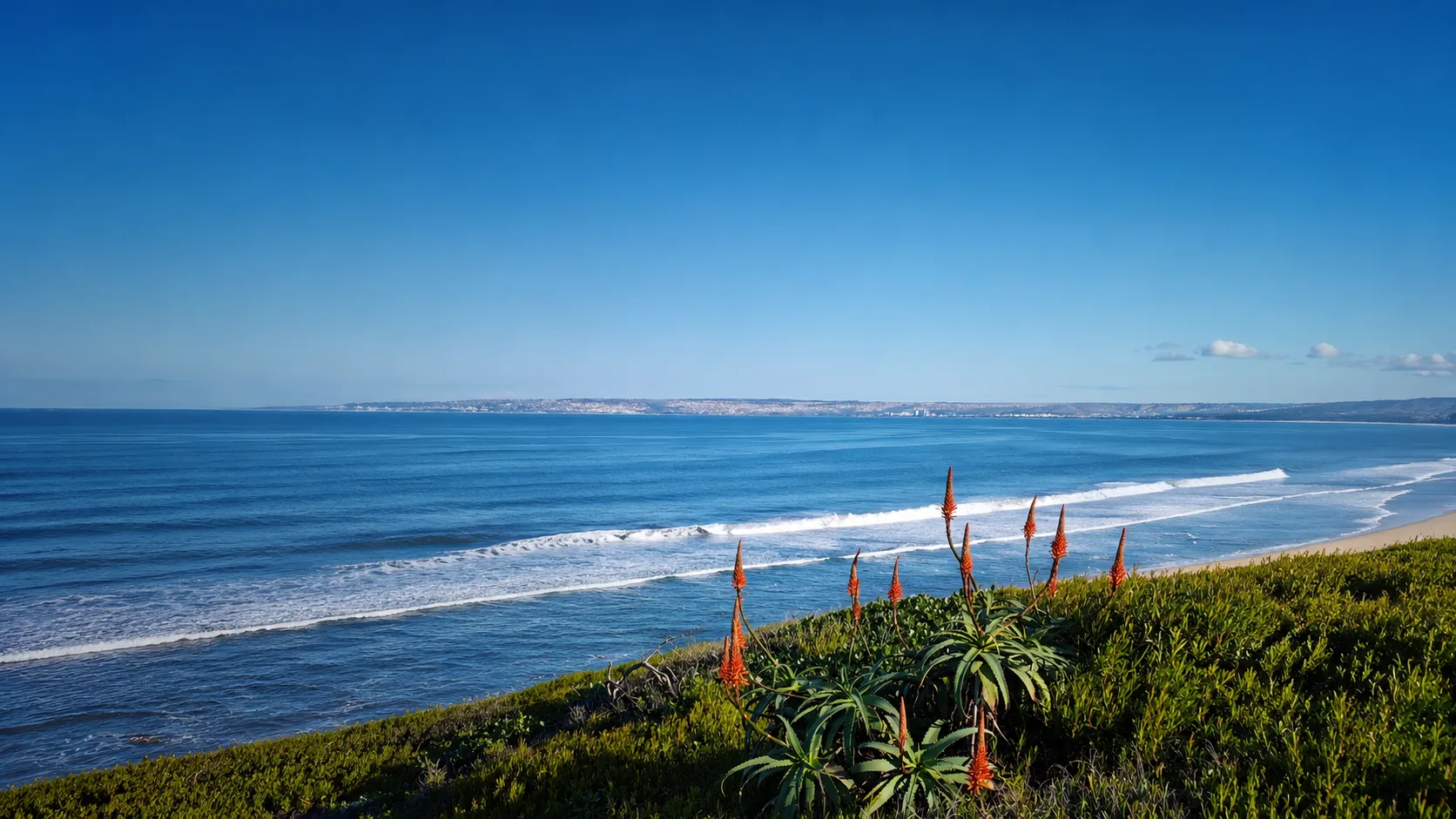
Selling a property on the Garden Route starts before the listing goes live. The most successful preparation is usually not about expensive renovations. It is about understanding how buyers will compare your property, fixing obvious distractions, presenting the strongest features clearly and choosing an asking strategy that is supported by the market.
Start with a realistic property valuation
An asking price should not be based only on what neighbouring properties are advertised for. Those are competing asking prices, not necessarily evidence of what buyers ultimately accepted. A useful valuation considers comparable sales activity, current competing stock, the condition of your property, its position, view, accommodation, erf, improvements and any features that materially change its appeal.
If you are still deciding whether to sell, a valuation conversation can help you understand the likely market range before you commit to a launch date.
Prepare the property before photography
Buyers form an opinion quickly from the first set of photographs. Before marketing starts, deal with easy maintenance items, remove unnecessary clutter, clean windows and outdoor areas, make rooms easy to understand and ensure the strongest view or entertainment feature is visible rather than hidden.
For coastal homes, exterior presentation deserves particular attention. Rust, peeling finishes, tired timber, damaged exterior fittings and neglected waterproofing can make buyers assume that more work is required than may actually be the case.
Make the listing explain the lifestyle
Good property marketing should answer the questions buyers are likely to ask. In this part of the Garden Route that can include sea views, beach access, road access, garages and parking, flatlets or guest accommodation, outdoor braai areas, solar equipment, water storage, approved plans and the practical layout of the home.
Accurate wording matters. The goal is to make the property easy to understand, not to fill the description with generic superlatives.
Be ready for buyer questions
- Approved building plans and alterations.
- Rates, levies and other recurring property costs where applicable.
- Included and excluded fixtures.
- Known defects and maintenance history.
- Occupation timing and your preferred transfer arrangements.
Having information available early can reduce uncertainty when a serious buyer appears.
Evaluate offers as a package
The highest number is not always the strongest offer. Finance conditions, a buyer’s own property sale, occupation dates and other suspensive conditions can affect certainty and timing. Your property practitioner and conveyancing professionals can help you understand the practical effect of the terms before you decide.
Start with a free, no-obligation valuation request. Tell me about the property and I’ll contact you to discuss the next step.
Request a property valuationMarketing should reach both active and future buyers
Property portals are important because they reach people already searching. Local social content can add another layer by showing the coastline, neighbourhood character and lifestyle to people who are still deciding where they want to live. TrekSeeToe uses that local-area focus alongside conventional property marketing.